Lanai Removal in Bergen County, NJ
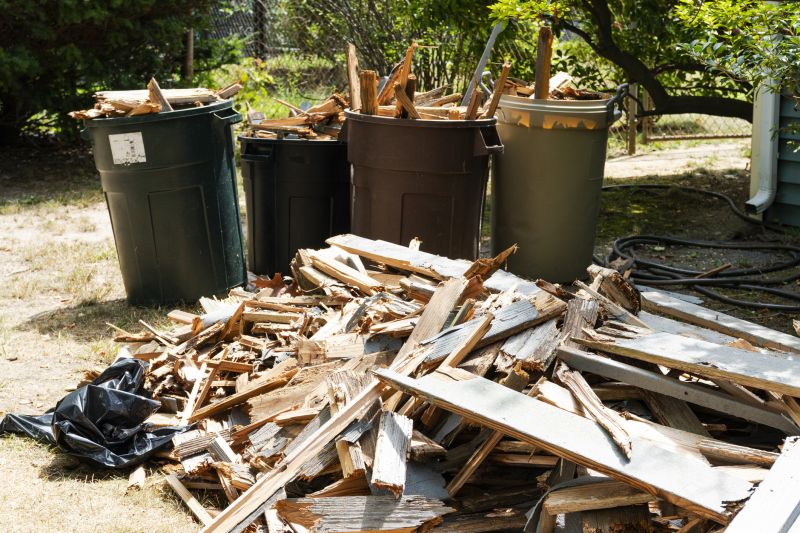
Lanai removal services involve the safe and efficient dismantling and removal of existing screened-in porches or enclosed patios. These projects typically include taking down the structure’s framing, screens, and any attached components, often to prepare the space for remodeling, expansion, or complete removal. Property owners usually seek this service when they want to update their outdoor living areas, eliminate structures that are no longer needed, or improve the overall appearance and functionality of their property.
Before requesting lanai removal, homeowners should consider the scope of the project, including whether any utilities or fixtures are connected to the structure. It’s also helpful to understand local regulations or permits that may be required for demolition or removal work. Clear communication about the size, materials, and any potential challenges can ensure the process proceeds smoothly and aligns with property goals.
Many property owners in Bergen County, NJ look into Lanai Removal for repairs, replacements, upgrades, and appearance-related improvements.
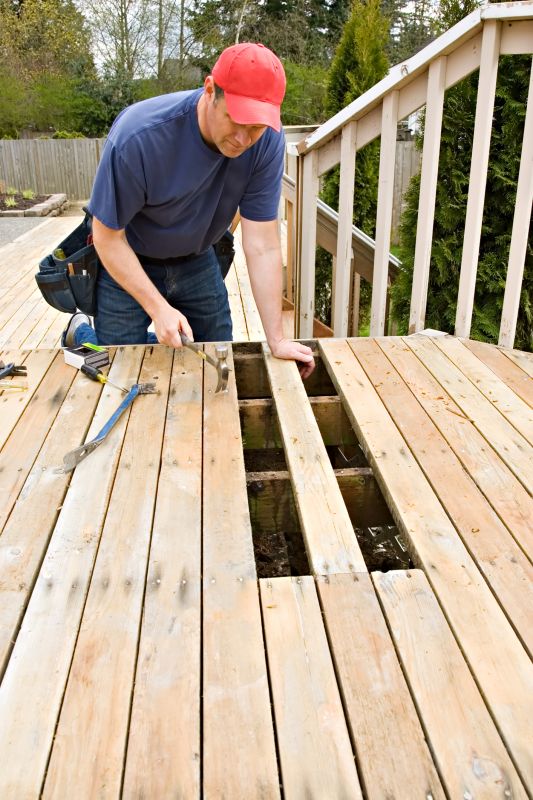
Reasons For Lanai Removal
Homeowners may choose to remove a lanai to create additional outdoor space or improve property aesthetics.
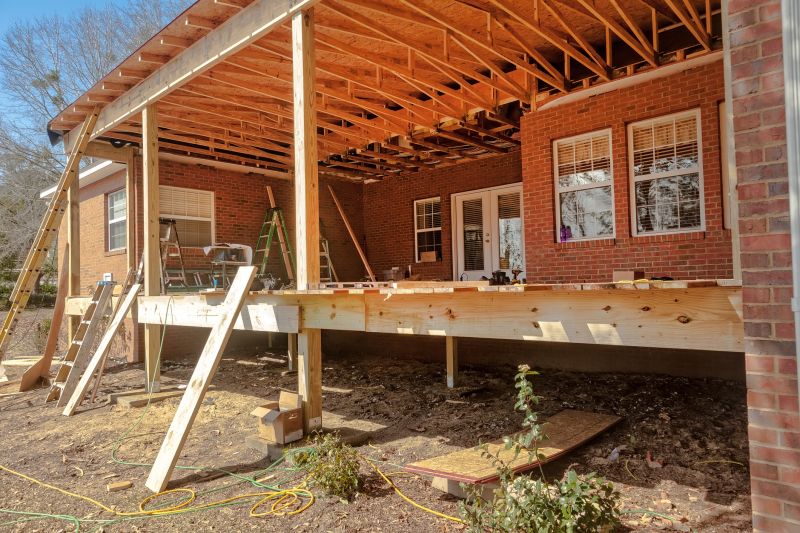
Common Removal Projects
Lanai removal is often requested for renovations, structural repairs, or to enhance backyard functionality.
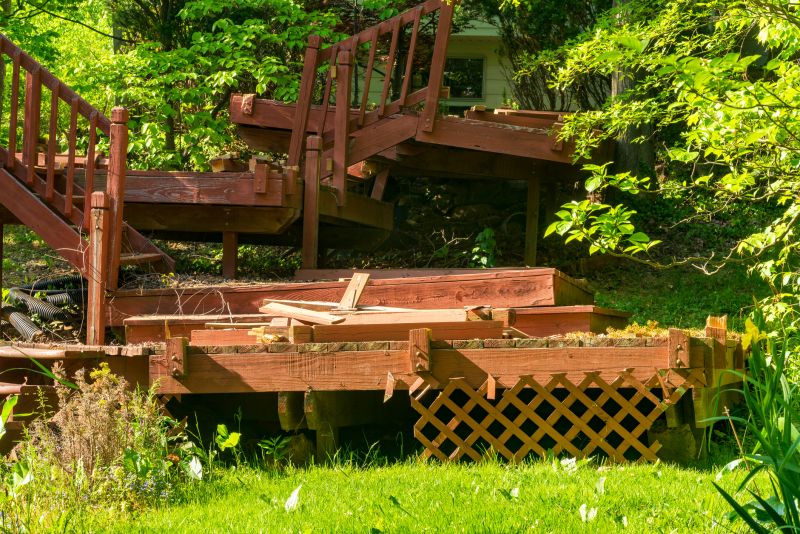
Considerations Before Removal
Assessing the structural integrity and potential impact on property value is important when planning a lanai removal in bergen county, nj.
Lanai Removal in Bergen County, NJ
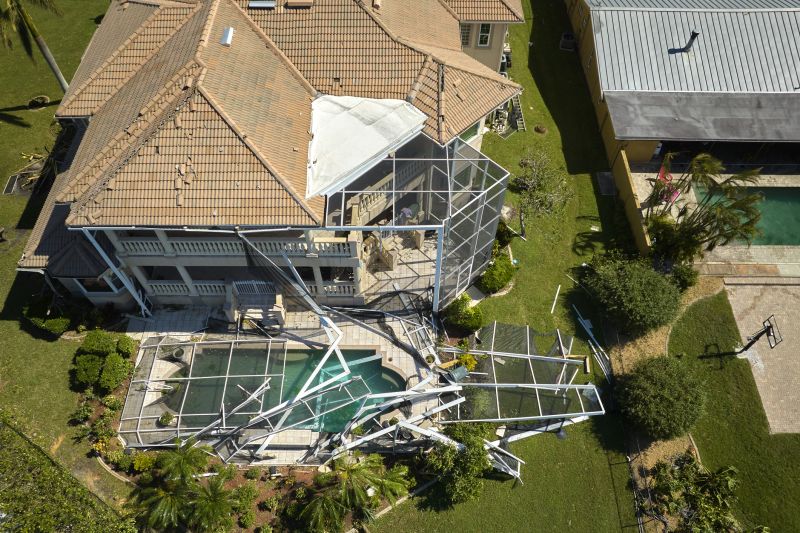
Lanai removal services involve the safe and efficient dismantling and removal of existing screened-in porches or enclosed patios. These projects typically include taking down the structure’s framing, screens, and any attached components, often to prepare the space for remodeling, expansion, or complete removal. Property owners usually seek this service when they want to update their outdoor living areas, eliminate structures that are no longer needed, or improve the overall appearance and functionality of their property.
Before requesting lanai removal, homeowners should consider the scope of the project, including whether any utilities or fixtures are connected to the structure. It’s also helpful to understand local regulations or permits that may be required for demolition or removal work. Clear communication about the size, materials, and any potential challenges can ensure the process proceeds smoothly and aligns with property goals.
Many property owners in Bergen County, NJ look into Lanai Removal for repairs, replacements, upgrades, and appearance-related improvements.
Common Lanai Removal Jobs
Tree removal - safely eliminates trees that are dead, diseased, or pose a risk to property.
Stump grinding - removes tree stumps to improve landscape safety and appearance.
Hazardous tree removal - addresses trees that threaten structures or power lines.
Selective tree removal - clears specific trees to enhance sunlight or improve yard layout.
Storm damage cleanup - removes fallen or broken trees after severe weather events.
Tree clearance for construction - prepares land by removing trees to facilitate building projects.
Lanai Removal Questions
What is lanai removal? Lanai removal involves dismantling and clearing an existing screened or enclosed porch area to improve outdoor space or prepare for renovation projects.
Why might property owners choose lanai removal? Removal may be selected to expand outdoor living areas, update the property’s appearance, or eliminate damaged or outdated structures.
What should be considered before removing a lanai? It’s important to evaluate structural elements, property access, and any local regulations or permits required for removal and disposal.
Is lanai removal suitable for all types of structures? It is typically suitable for screened enclosures and similar structures, but the specifics depend on the construction and condition of the lanai.
Request Lanai Removal in Bergen County, NJ
Use the quote form on this page to share the basics of your project and request more information for the type of work you need.